
Compliance Labels for Chemical Containers
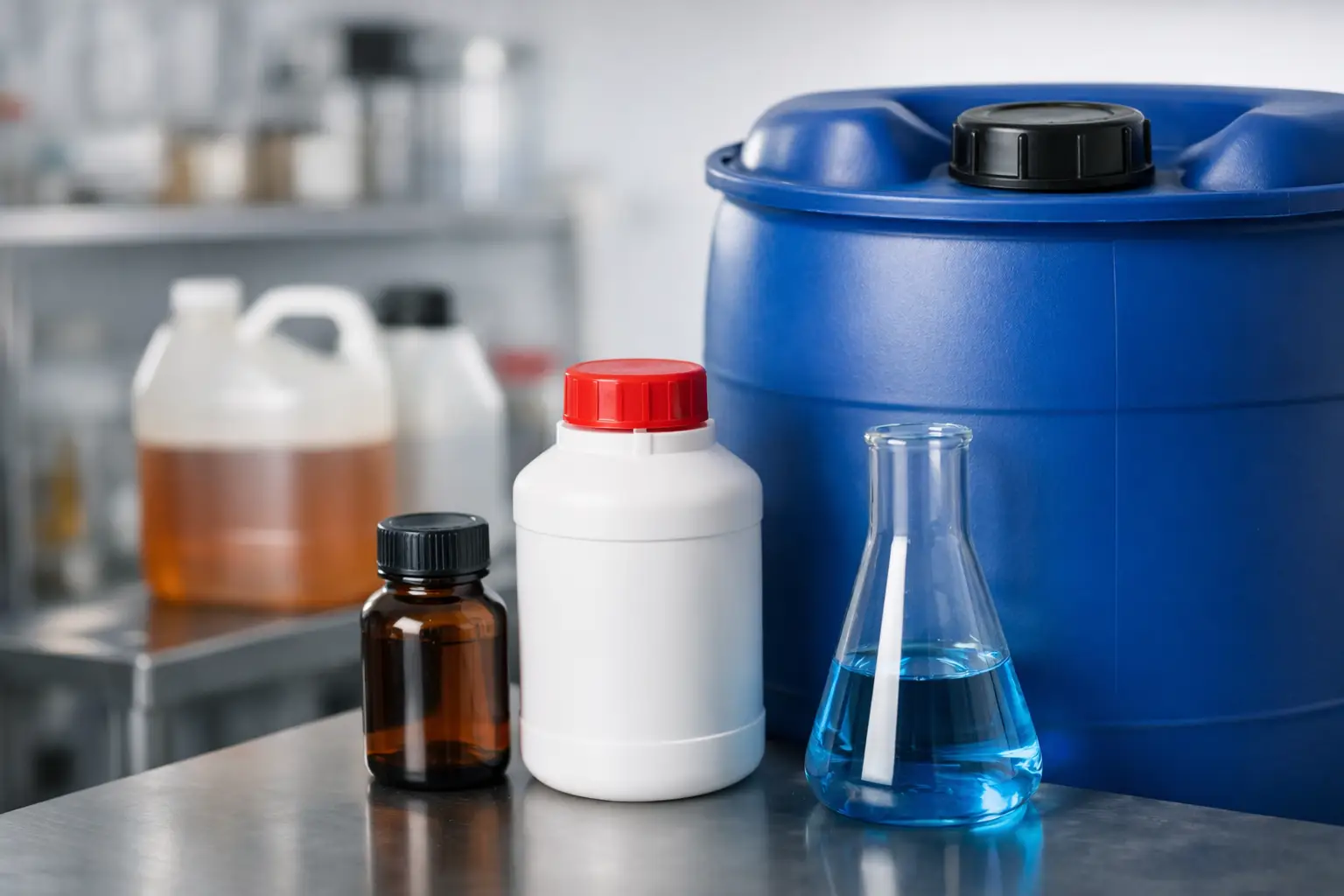
A faded drum label usually gets noticed at the worst possible time – during an audit, after a spill, or when an operator has to guess what is in the container. That is why compliance labels for chemical containers are not a minor purchasing detail. They are a frontline control for safety, traceability, and regulatory performance.
In most facilities, the challenge is not whether labels matter. It is whether the labeling system can hold up in real conditions. Chemicals get transferred, stored, handled, washed down, exposed to heat, and moved through multiple work areas. A label that looked acceptable when it left the printer can fail quickly if the material, adhesive, print method, or content format is wrong.
What compliance labels for chemical containers need to do
At a basic level, chemical container labels must identify the substance clearly and remain legible for as long as the container is in use. In practice, the standard is higher. Labels often need to support OSHA Hazard Communication requirements, align with GHS elements, and stay readable despite abrasion, moisture, chemicals, UV exposure, or temperature swings.
That means the label has two jobs at once. First, it must present the right information, such as product identifier, hazard statements, pictograms, signal words, and supplier details where required. Second, it must survive the environment. If either part fails, the label is not doing its job.
This is where many operations run into trouble. They focus on artwork and wording, but overlook substrate selection, ribbon compatibility, adhesive performance, and printer settings. A compliant design printed on the wrong material is still a failure waiting to happen.
Content accuracy is only half the job
A chemical label can be technically correct on paper and still create risk on the floor. Secondary containers are a common example. Teams transfer chemicals from bulk packaging into smaller bottles, spray containers, pails, or process vessels, then apply handwritten or generic labels that smear, peel, or leave out required hazard information.
That gap between policy and execution is where incidents happen. Operators rely on labels for immediate decision-making. Maintenance teams, warehouse personnel, and temporary labor all need consistent visual information. If one department uses durable thermal transfer labels and another uses office supply stickers, the process is not standardized.
A better approach is to treat chemical labeling as an operational system, not a one-time print task. Standardized templates, approved data fields, validated label stock, and dependable print hardware create far fewer compliance problems than ad hoc labeling ever will.
Choosing the right label material for chemical environments
Material choice depends on what the container will face. Paper labels may work in clean, dry, low-contact settings, but they are often a poor fit for chemical use. Synthetic materials such as polyester and polypropylene are commonly better choices because they resist tearing, moisture, and chemical exposure more effectively.
Still, there is no single best material for every application. A small lab bottle stored indoors has different requirements than a steel drum kept outdoors or a tote exposed to repeated washdowns. Some operations need labels that conform well to curved surfaces. Others need aggressive adhesives for textured plastics, or specialized constructions for cold environments.
Adhesive selection matters just as much as face stock. If the adhesive cannot bond to the container surface, it does not matter how good the print quality is. Drums, squeeze bottles, HDPE jugs, glass containers, and powder-coated surfaces can all behave differently. Testing in actual use conditions is the practical standard, especially when chemicals, condensation, or temperature cycling are involved.
Print method affects durability
For many industrial applications, thermal transfer printing is a strong choice for compliance labels for chemical containers because it produces durable, high-resolution output when paired correctly with the label material and ribbon. That pairing is the key point. Resin and wax-resin ribbons can offer much better resistance to smearing, scratching, and chemical contact than a basic wax ribbon used on the wrong stock.
Direct thermal is usually less suitable for long-life chemical labeling because the image can darken, fade, or degrade with heat and handling. Laser and inkjet can be workable in some offices or low-exposure settings, but they are often less reliable for high-volume industrial labeling where consistency and material compatibility matter.
The right printer also makes a difference. Industrial thermal printers are built for repeatability, speed, and media control. That helps maintain barcode readability, image sharpness, and proper label placement. If your labels include lot codes, dates, or barcodes tied to inventory or SDS records, print precision is part of compliance.
Design mistakes that create avoidable risk
Some of the most common failures are simple. Labels are printed too small to read easily. Pictograms lose clarity because of poor resolution. Variable data fields shift out of position. Colors are inconsistent. Containers in one area use one format, while another area uses something different.
None of these issues are dramatic by themselves, but together they weaken the system. During inspections, inconsistency gets attention. During routine work, inconsistency causes hesitation and mistakes.
Template-driven label software helps reduce that risk. Instead of relying on manual formatting every time, operations can lock in approved layouts, required fields, barcode rules, and printer settings. That creates control across shifts, departments, and locations. It also makes updates easier when regulatory needs or product details change.
Why software standardization matters
Chemical labeling is rarely static. Product names change. Hazard classifications get revised. Customer-specific requirements appear. Internal tracking fields expand. If label creation lives in disconnected spreadsheets, desktop files, and individual workarounds, errors multiply fast.
A centralized labeling platform gives operations more control. Users can pull approved data into prebuilt templates, reduce manual entry, and print the same compliant format across multiple printers or facilities. For companies managing several chemical SKUs or private-label products, that consistency saves time and lowers the chance of a wrong label reaching the floor.
This is also where many buyers see the value of working with a specialist instead of piecing together software, printers, ribbons, and labels from different vendors. The system performs better when the components are selected to work together.
Compliance labels for chemical containers in real operations
The best label setup depends on where and how the container is used. In manufacturing, secondary container labels often need fast printing near the point of use, with durable materials that hold up through a shift or longer. In warehousing, larger labels may need to combine hazard communication with barcode data for inventory control and traceability. In laboratories, smaller-format labels must stay legible on limited surface area without sacrificing required information.
For international shipping or multi-site operations, the stakes go up. Label formats may need to support internal standards alongside regulatory content. There is less room for improvisation when containers move across departments, facilities, or borders.
That is why experienced buyers look beyond unit price. The cheapest label is expensive if it fails adhesion, causes rework, slows inspections, or forces relabeling. A dependable labeling system lowers hidden costs by improving uptime, reducing waste, and keeping identification consistent from receiving through final use.
What to evaluate before you buy
Start with the container, the environment, and the required lifespan of the label. Then look at surface type, exposure conditions, print volume, data complexity, and any barcode or tracking requirements. Those factors determine the right material and print technology more reliably than a generic product description ever will.
It also helps to ask harder operational questions. Who prints the labels? How often do templates change? Are labels produced in one location or many? Do you need custom sizes, preprinted color elements, or blank stock for variable data? A good solution fits the workflow, not just the regulation.
If your operation handles multiple chemical products, this is one area where support matters. Matching printer, ribbon, label stock, and software up front is far easier than troubleshooting smudging, adhesion failure, and formatting errors after rollout. Suppliers with real labeling expertise can usually spot compatibility issues before they become production problems.
The Label Guy works with businesses that need that kind of dependable setup – not just labels, but the software, printers, consumables, and technical support required to keep compliance labeling accurate and repeatable.
Chemical labeling works best when nobody has to think twice about it. The right label is clear, durable, and there when it is needed, which is exactly why getting it right from the start pays off every day after.