• SIGN IN
  • MY ACCOUNT
  • MY BAG
  • Tracking
  • Status
 
Easylabel Software
  • Home
  • Categories
  • All Products
  • Custom Orders
  • View Cart
  • About Us
  • Contact
Free Standard Shipping for orders over $100 in the contiguous 48 States of the USA.

We have 15 manufacturing / distribution facilities to serve you.

Custom Orders

  • Pre Printed Labels
  • Fax Ribbons

Store Info

  • About Us
  • Store Search
  • Contact Us

How to Choose Label Design Software

If your operation prints labels every day, bad software shows up fast. You see it in mislabeled inventory, slow template changes, driver issues, barcode problems, and operators wasting time on workarounds. That is why knowing how to choose label design software is less about picking a nice interface and more about protecting accuracy, uptime, and throughput.

For most businesses, label software is part of a larger production system. It has to work with your printers, your data, your label stock, your compliance requirements, and the people who actually use it on the floor. If one part of that chain fails, the problem does not stay in the software. It affects shipping, receiving, inventory control, traceability, and customer satisfaction.

How to choose label design software for real operations

The first question is not which package has the longest feature list. It is what your labels need to do. A small office shipping a few cartons a day has a very different requirement than a manufacturer printing serialized product labels, a warehouse managing barcode inventory, or a distributor handling customer-specific formats.

Start with your label environment. Are you printing simple address or shipping labels, or do you need product identification, GS1 barcodes, lot codes, date logic, variable text, graphics, and regulatory fields? Do multiple departments need access? Will labels pull data from spreadsheets, ERP systems, databases, or manual entry forms? The more dynamic your environment is, the more important software capability becomes.

This is where many buyers make an expensive mistake. They choose software based on a short-term need, then outgrow it once requirements expand. If there is a good chance your operation will add printers, more label formats, more users, or tighter compliance demands, choose software that can grow with you instead of forcing a second purchase later.

Focus on printer compatibility first

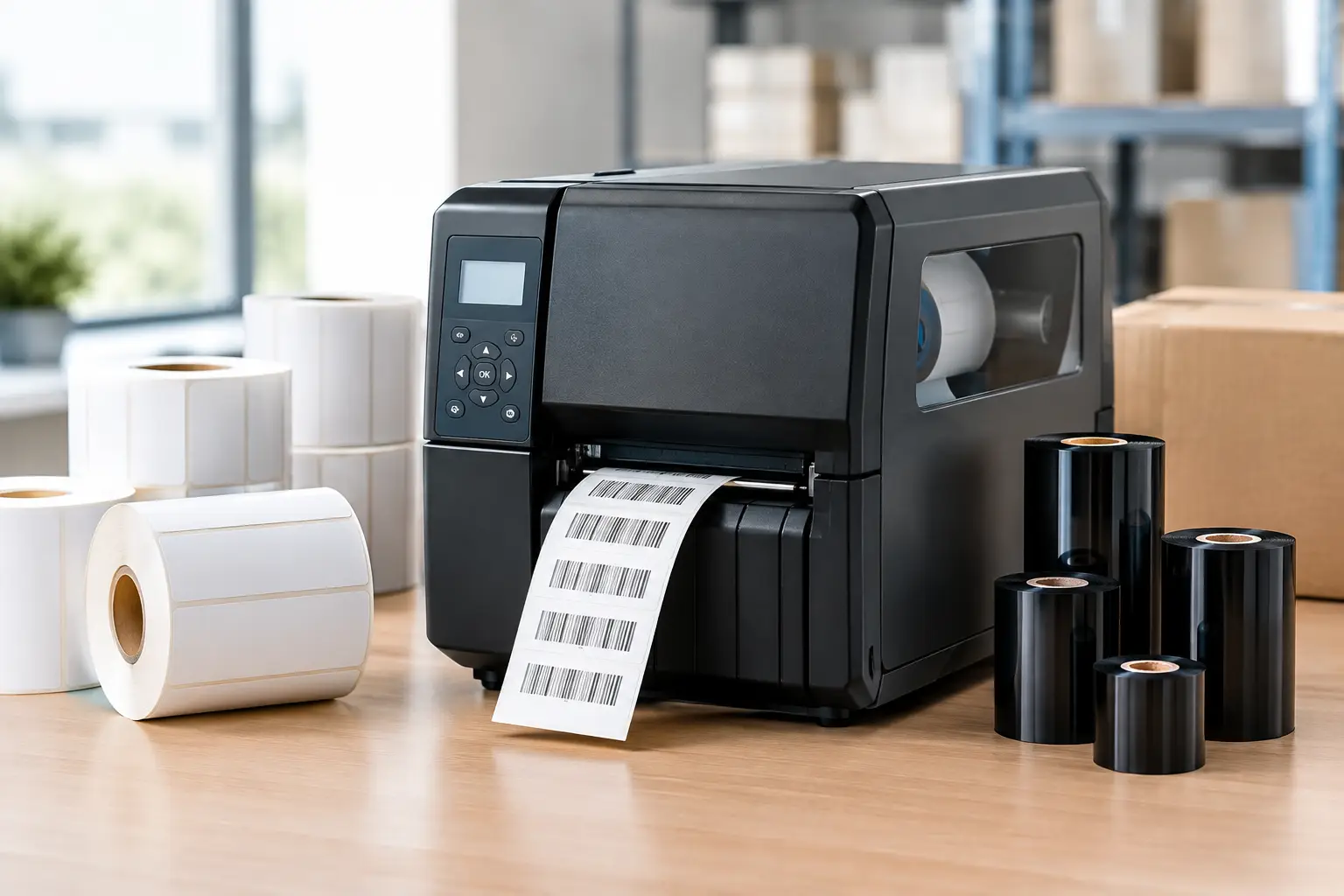
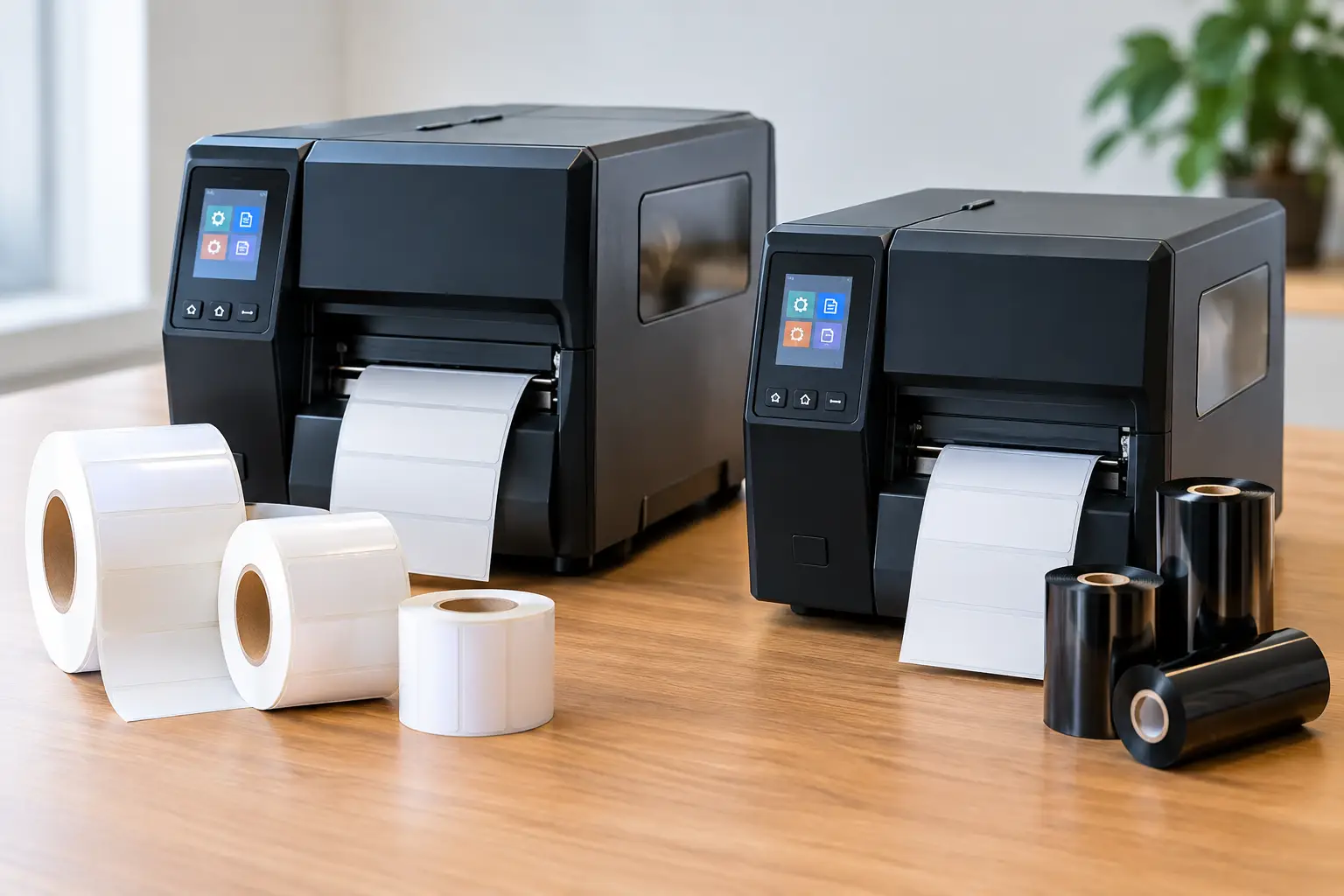
Label design software does not operate in a vacuum. It must work cleanly with your thermal printers and print the way your application demands. That means checking supported printer brands, thermal transfer and direct thermal requirements, driver quality, and native printer language support.

If your company already uses industrial or desktop thermal printers, confirm that the software is proven in that environment. A package that looks fine in a demo can become a problem if it struggles with print speed, formatting consistency, or barcode output on your installed hardware.

This matters even more in high-volume settings. A warehouse or production line cannot afford software that introduces formatting drift or inconsistent print behavior across multiple printer models. Reliable output is not a luxury feature. It is the baseline.

Data handling matters more than most buyers expect

A label is often the last printed result of a much larger data process. Product numbers, serial numbers, lot codes, addresses, expiration dates, and customer part numbers all have to come from somewhere. If the software cannot connect to your data sources or manage variable data well, the design side becomes the least of your concerns.

Look closely at database connectivity, form-based data entry, import options, and automation potential. If your team is manually typing information that already exists in another system, you are creating more chances for error and slowing down production.

At the same time, do not overbuy complexity. Some operations need deep integration and automated printing rules. Others simply need a stable way to pull fields from a spreadsheet and print accurately. The right fit depends on your workflow, not on the most technical configuration available.

How much automation do you actually need?

This is a useful checkpoint when deciding how to choose label design software. If labels are printed one at a time by office staff, a straightforward setup may be enough. If labels are triggered by transactions, batch jobs, or production events, you need software that supports a more controlled and scalable workflow.

The key is matching software to process maturity. Too little capability causes bottlenecks. Too much complexity can slow adoption and create support headaches for teams that just need dependable printing.

Barcode accuracy and compliance cannot be an afterthought

For many businesses, labels are not just internal tools. They are compliance documents attached to products, pallets, cartons, samples, records, or regulated shipments. Barcode quality, formatting standards, and data placement all matter.

That means your software should handle the barcode symbologies you use today and the ones you may need tomorrow. It should also support precision in sizing, spacing, human-readable text, and layout control. If you operate in food, medical, manufacturing, chemical, logistics, or retail supply chains, compliance mistakes can trigger rework, chargebacks, delays, or rejected shipments.

A basic consumer-oriented design tool may let you place text and shapes on a label. That does not make it a serious business labeling platform. Industrial label software should be built for barcode integrity, variable data, and repeatable print performance.

Ease of use still matters on the plant floor

Some buyers hear “advanced features” and assume they need a system that only IT can manage. In practice, most operations benefit from software that is powerful enough for complex labels but approachable enough for daily users.

That includes template management, intuitive design tools, clear print controls, and simple data entry for non-technical staff. If every small edit requires a specialist, routine label maintenance becomes expensive and slow.

Ease of use does not mean lightweight capability. It means your receiving clerk, warehouse lead, production supervisor, or compliance coordinator can do the job without fighting the software. That kind of usability has direct business value because it reduces errors, training time, and dependency on a single internal expert.

Support is part of the product

Software decisions are often judged on features at the time of purchase. The real test happens later, when a driver issue appears, a printer is replaced, a format needs to be updated, or a user needs help connecting a data source.

That is why support should be part of your evaluation from day one. Ask what kind of technical help is available, where it is based, and whether the vendor understands industrial labeling rather than just software licensing. A responsive support team can save hours of downtime and prevent small issues from disrupting production.

This is also where buying from a specialist has a clear advantage. A vendor that understands software, printers, ribbons, labels, and application requirements can troubleshoot the entire system, not just one piece of it. That is a meaningful difference for businesses that rely on label uptime.

Consider the full labeling system, not just the software

When businesses search for how to choose label design software, they often isolate the software decision from the rest of the printing environment. That approach creates avoidable problems. Label software has to work with your printer fleet, your media, your ribbon selection, and your actual application conditions.

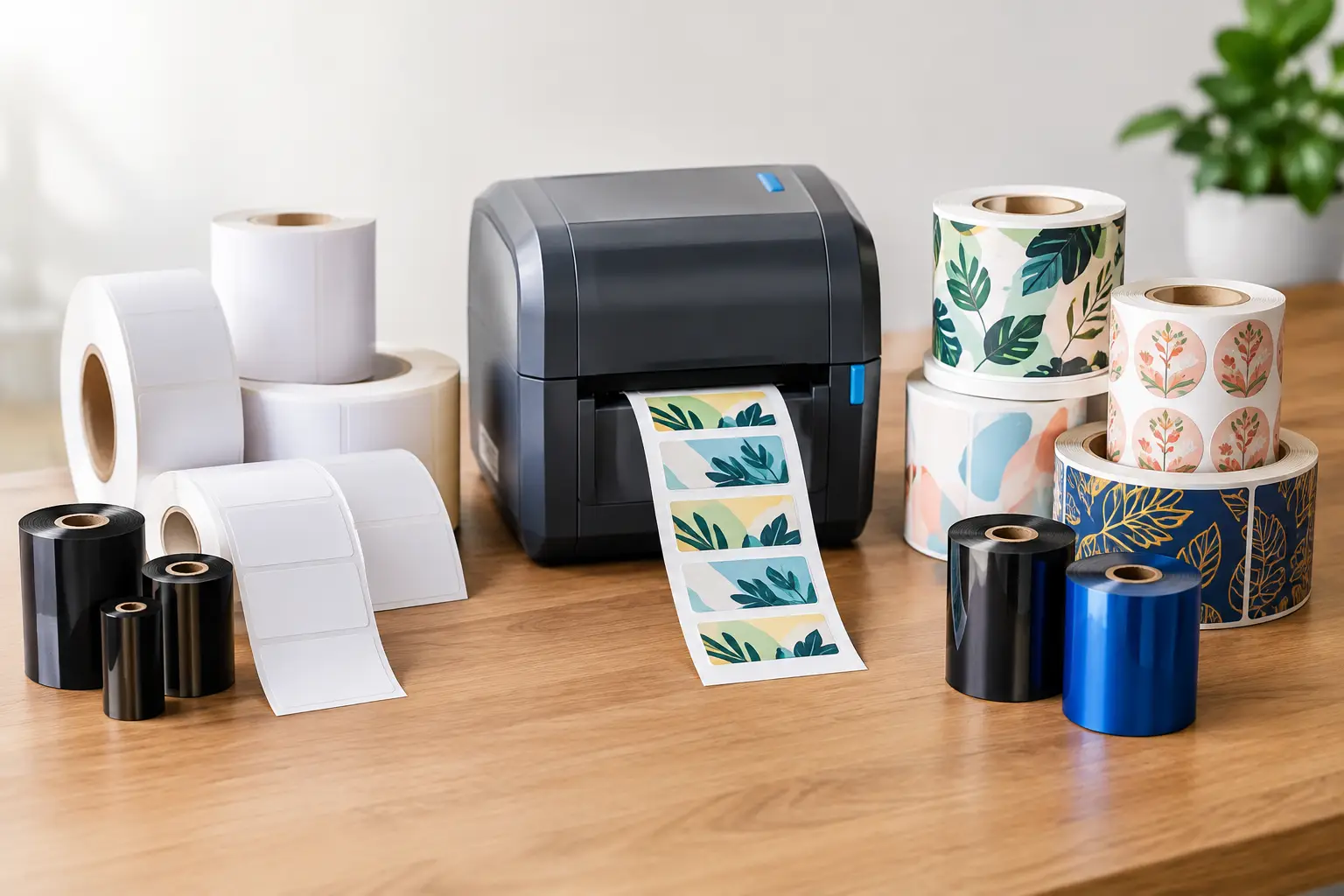
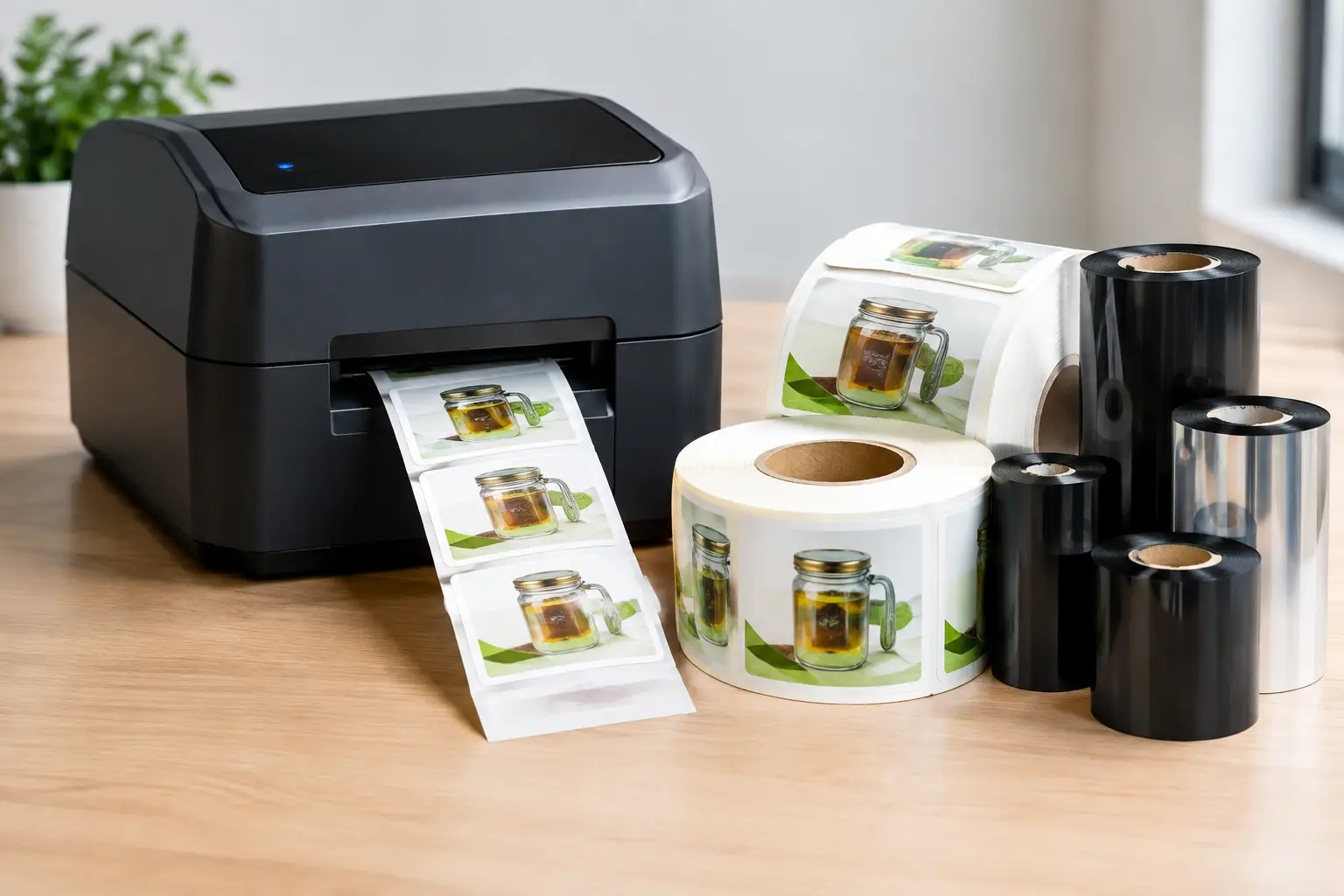
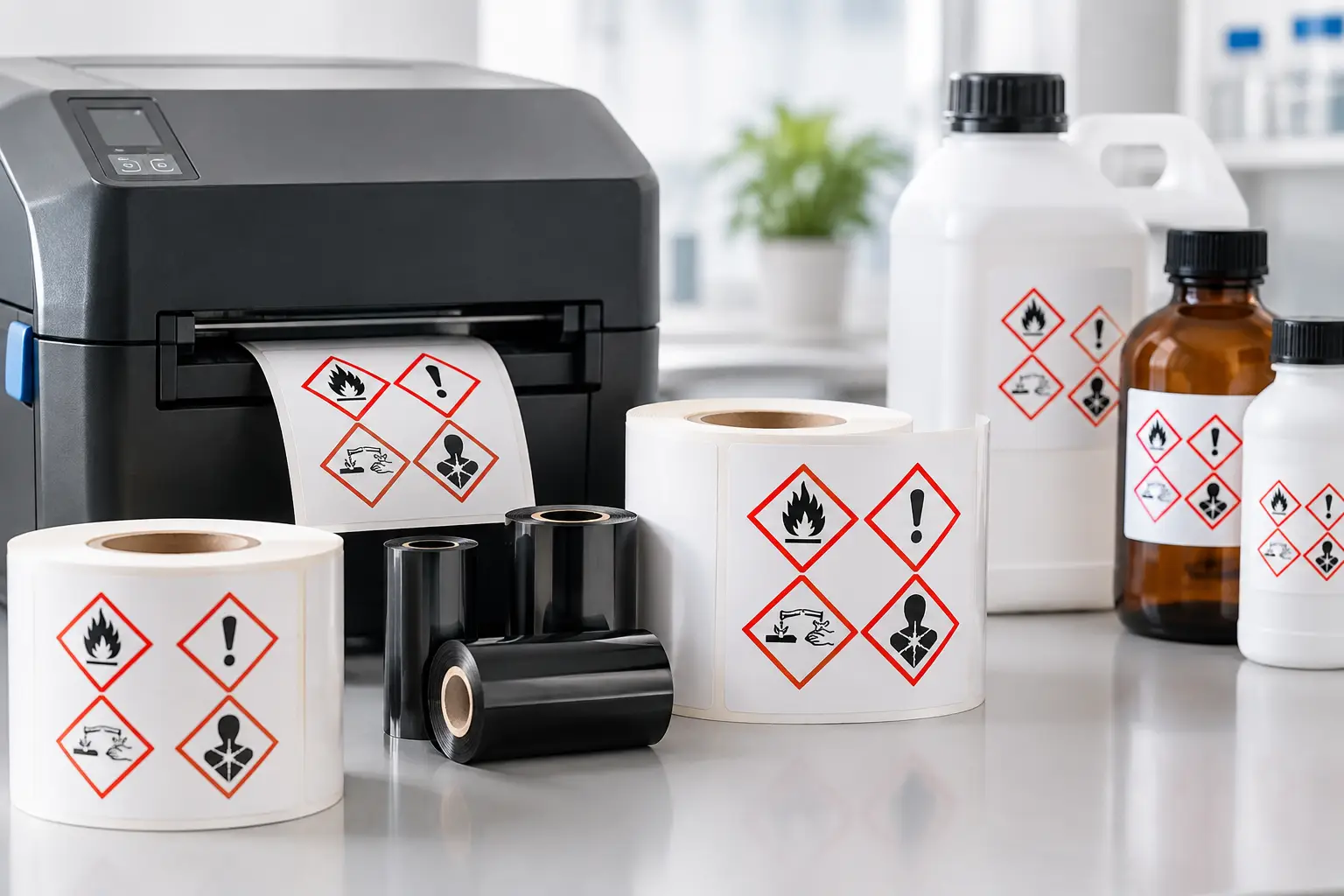
For example, a beautifully designed label still fails if the stock is wrong for the surface, the ribbon does not hold up to heat or abrasion, or the printer setup does not maintain consistent output. Choosing software from a supplier that also understands hardware and consumables can reduce trial and error.

For operations that want a proven platform, EasyLabel remains a strong choice because it is built for business labeling, supports serious barcode and variable data requirements, and fits into a complete thermal printing workflow rather than acting like a standalone office tool.

Price matters, but cost of failure matters more

It is reasonable to compare software pricing, especially across different license levels. But the lowest purchase price is rarely the lowest operating cost. If cheaper software causes more manual entry, poor printer compatibility, limited scaling, or longer downtime, the savings disappear quickly.

A better buying question is this: what will this software cost us in labor, errors, rework, and lost time if it is not the right fit? For a labeling-intensive operation, even small inefficiencies multiply fast.

That does not mean every business needs the most advanced edition available. It means the software should be appropriate for your current workload and realistic future demands. Good software pays for itself when it reduces label errors, improves speed, and keeps production moving.

What to evaluate before you buy

Before making a final decision, test the software against real use cases. Build a few actual label formats. Print to your existing printers. Use real data fields. Check barcode readability. Let the people who will use it every day try common tasks.

A vendor demo can show potential, but your operation will reveal fit. If a system performs well with your printers, your labels, your data, and your staff, that is a far better indicator than a generic feature sheet.

The right label software should make your labeling process more accurate, more efficient, and easier to manage as your business grows. If you choose with that standard in mind, you will end up with a tool that supports the operation instead of slowing it down.

Featured Products

  • Buy EASYLABEL Software
  • EASYLABEL 7 Gold with USB Key
  • Thermal Transfer Ribbons – 1″ Core
  • Thermal Transfer Labels 1-1/2″ x 1″

ABOUT OUR STORE

  • About Us
  • Categories
  • Products
  • Contact Us
  • Return Policy
  • Privacy Policy
  • Terms & Conditions

THIS SITE IS SECURE

Credit Card Services
PCI Compliance and Malware Removal


We accept all major credit cards:
PayPal Acceptance Mark
We also accept wire transfer payments. All wire transfer orders must be faxed in to FAX# (951) 340-0005.
© 2026 The Label Guy for all your labeling, marking, and bar coding needs. All Rights Reserved.