
Asset Tracking Barcode Label Solutions That Work
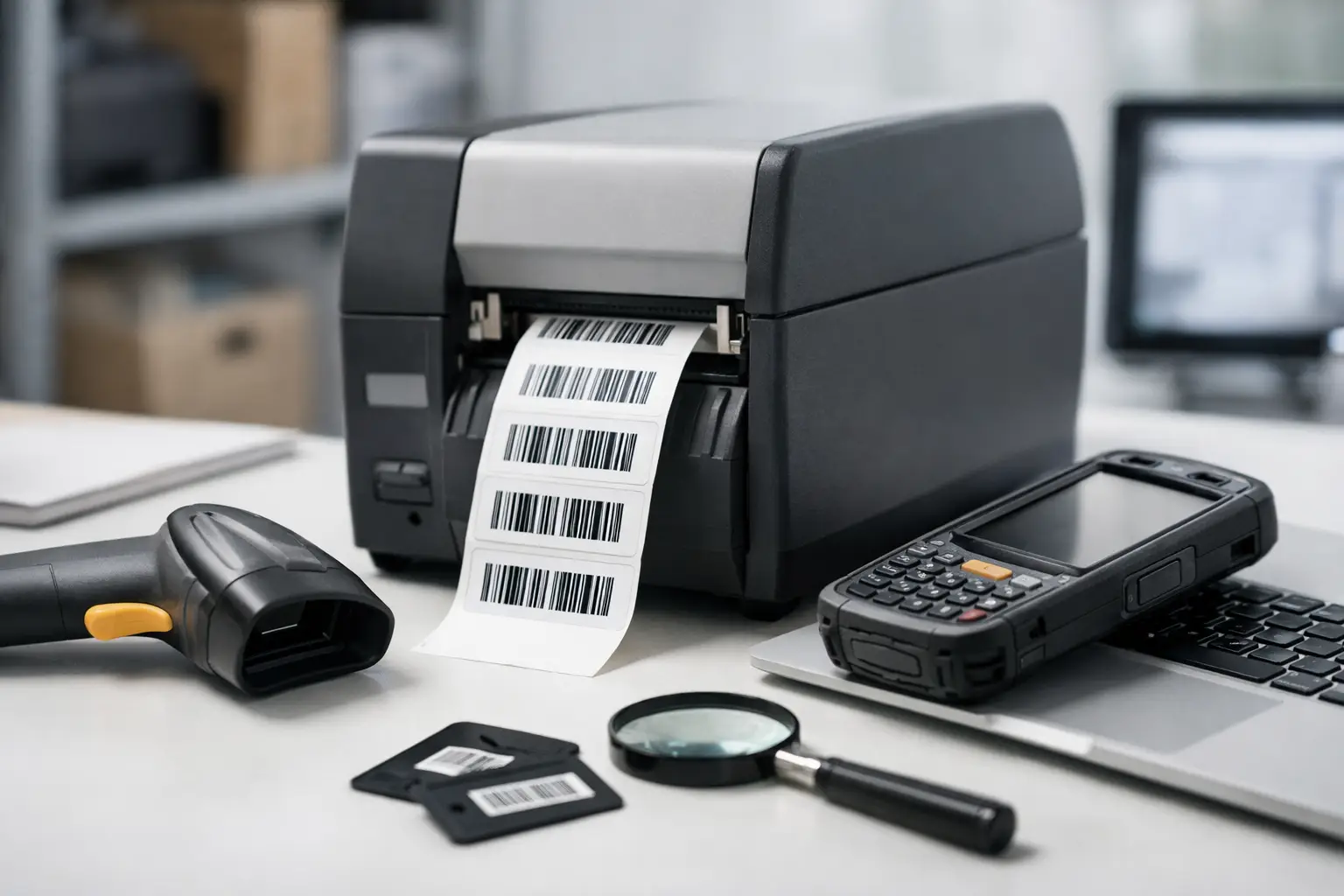
A missing laptop is annoying. A missing calibrated tool, medical device, or production asset is expensive. That is why asset tracking barcode label solutions matter most when the stakes are operational – not theoretical. If equipment moves between departments, job sites, vehicles, warehouses, or users, the label on that asset becomes the starting point for control, accountability, and faster audits.
The problem is rarely just software. Most asset tracking issues start with labels that fail in the field, printers that do not match the volume, or barcode formats that are difficult to scan once the asset has been in service for a few months. A workable solution has to cover the entire print-and-apply environment, from the barcode data structure to the adhesive, ribbon, printer, and replacement process.
What asset tracking barcode label solutions actually need to do
At a basic level, an asset label connects a physical item to a record in your system. In practice, that label also has to survive the real conditions of use. That means abrasion, solvents, outdoor exposure, routine cleaning, heat, cold, and repeated scanning. A barcode that looks fine on day one but fades or peels by quarter end is not doing its job.
Effective asset tracking barcode label solutions support accurate identification over time. For some organizations, that means simple internal property tags with a serialized barcode and human-readable asset number. For others, it means highly durable labels built for metal racks, forklifts, IT hardware, returnable transport items, or field equipment exposed to weather and chemicals.
This is where many buyers underestimate the role of materials. The barcode format matters, but so does the face stock, adhesive, topcoat, and print method. Paper labels may be adequate for short-term indoor use. They are usually the wrong choice for long-life asset control. Polyester, polyimide, or specialty synthetic constructions often make more sense when durability is non-negotiable.
Why businesses outgrow generic asset labels
Generic labels are easy to buy and hard to trust. They may work for light-duty office use, but operations teams usually need more than a label that simply sticks at first application. Assets come with curved surfaces, textured plastics, powder-coated metals, oily conditions, and small application areas. A stock label that works in one department may fail in another.
There is also the scanning issue. Asset labels are often small, which means barcode size and print quality have to be controlled carefully. If the print resolution is too low, the ribbon is mismatched, or the design crowds the quiet zones, scanners will struggle. That creates workarounds, manual entry, and errors – the exact problems the tracking program was supposed to reduce.
A better approach is to specify the label around the asset and the process. What surface is it applied to? How long should it last? Will users scan with handheld devices at close range, or from a distance in a warehouse aisle? Does the label need tamper evidence, consecutive numbering, a company logo, or department coding? Those decisions shape the right solution.
Choosing the right label construction for asset tracking
The best label material depends on where the asset lives and how hard that environment is on the label.
For office furniture, computers, and indoor electronics, a durable polyester asset tag is often the standard choice. It offers a professional appearance, clear print, and better resistance to wear than paper. If theft deterrence or transfer prevention matters, destructible vinyl or tamper-evident constructions may be worth considering. These materials make label removal obvious, which adds a layer of control.
For manufacturing equipment, tools, and warehouse assets, stronger adhesives and more durable topcoats are often required. Exposure to cleaners, oils, heat, or friction changes the requirement quickly. In those cases, thermal transfer printing with the correct ribbon and synthetic label stock is usually the right direction because it produces a more durable image than direct thermal.
For outdoor equipment or assets exposed to UV, moisture, and temperature swings, material selection becomes even more critical. Not every adhesive performs well on rough surfaces or in changing weather. A label that curls or lifts at the edges will eventually stop scanning, even if the print itself remains readable.
This is why one-size-fits-all asset tracking barcode label solutions often disappoint. The label must fit the operating conditions, not just the database field.
Printers, ribbons, and software are part of the same system
A label is only as reliable as the system used to produce it. Businesses that treat printers, ribbons, and design software as separate purchases often create avoidable compatibility problems. Print quality suffers. Operators spend too much time adjusting settings. Replacement supplies become inconsistent across locations.
For asset labels, thermal transfer printers are often the strongest fit because they support durable media and produce crisp barcodes that hold up well in long-term use. Desktop models may be enough for low- to mid-volume printing in IT departments or administrative offices. Industrial printers are a better match when labels are produced regularly on the warehouse floor or in a production environment.
Software matters just as much. Label design platforms such as EasyLabel are built to control barcode formats, serialization, database connections, and print consistency. That is a major advantage when you need to generate unique asset IDs, pull data from existing systems, or standardize labels across multiple users and sites. Buyers often focus on the printer first, but software is what keeps the process organized and repeatable.
The ribbon also matters more than many teams expect. Resin, wax-resin, and wax ribbons do not perform the same way. A lower-cost ribbon can look acceptable at print time and fail after routine handling or cleaning. Matching the ribbon to the label material and environment is a practical step that protects scan performance over the life of the asset tag.
Where asset tracking barcode label solutions deliver the biggest payoff
The return usually shows up in very ordinary places. Receiving teams can assign and identify assets faster. Maintenance staff can verify the right equipment before service. IT can track device deployment and returns with fewer spreadsheet gaps. Finance and compliance teams can complete audits without chasing serial numbers by hand.
In larger operations, the real gain is consistency. Standardized asset labels reduce confusion across departments and sites. Everyone reads the same format, scans the same barcode, and follows the same replacement method. That makes handoffs cleaner and reports more reliable.
There is also a cost-control angle. Asset loss is only part of the problem. Time spent searching for tools, checking equipment history, or rekeying unreadable labels has a labor cost attached to it. Good labeling removes friction from work that happens every day.
Common mistakes that weaken asset tracking programs
The first mistake is under-specifying durability. If the label is expected to last three to seven years, buying for the lowest upfront cost usually backfires. The second is ignoring the application surface. Labels that adhere well to smooth metal may not hold on textured plastic or powder-coated equipment.
Another common issue is poor label design. Overly small barcodes, low contrast, or excessive information packed into a tiny space can hurt scan reliability. Human-readable text still matters too. When a scanner fails or a quick visual check is needed, users should be able to identify the asset without guessing.
Finally, many teams fail to plan for replenishment and support. If a location runs out of the correct labels or substitutes a different ribbon, consistency disappears. Working with a specialist supplier that understands the full labeling system can prevent those avoidable disruptions.
How to evaluate a supplier for asset tracking barcode label solutions
A serious supplier should be able to discuss more than label size and price. They should ask about surface type, environmental exposure, printer model, ribbon compatibility, barcode symbology, and expected service life. If the conversation stays too general, the solution probably will too.
It also helps to work with a source that can support software, printers, custom labels, and consumables together. That shortens troubleshooting and reduces the back-and-forth between vendors. For many businesses, that integrated approach is the difference between a labeling project that gets deployed and one that stalls in testing.
The Label Guy serves this kind of buyer well because the offering is built around the full labeling system, not just one component. That matters when you need dependable output, practical guidance, and supply continuity rather than trial and error.
Asset control gets easier when the label stays readable, the barcode scans the first time, and the print process is repeatable by any trained user. That is the standard to aim for – because if an asset cannot be identified quickly and reliably, it is not really being tracked at all.