
Labeling Software Licensing Options That Cut Costs
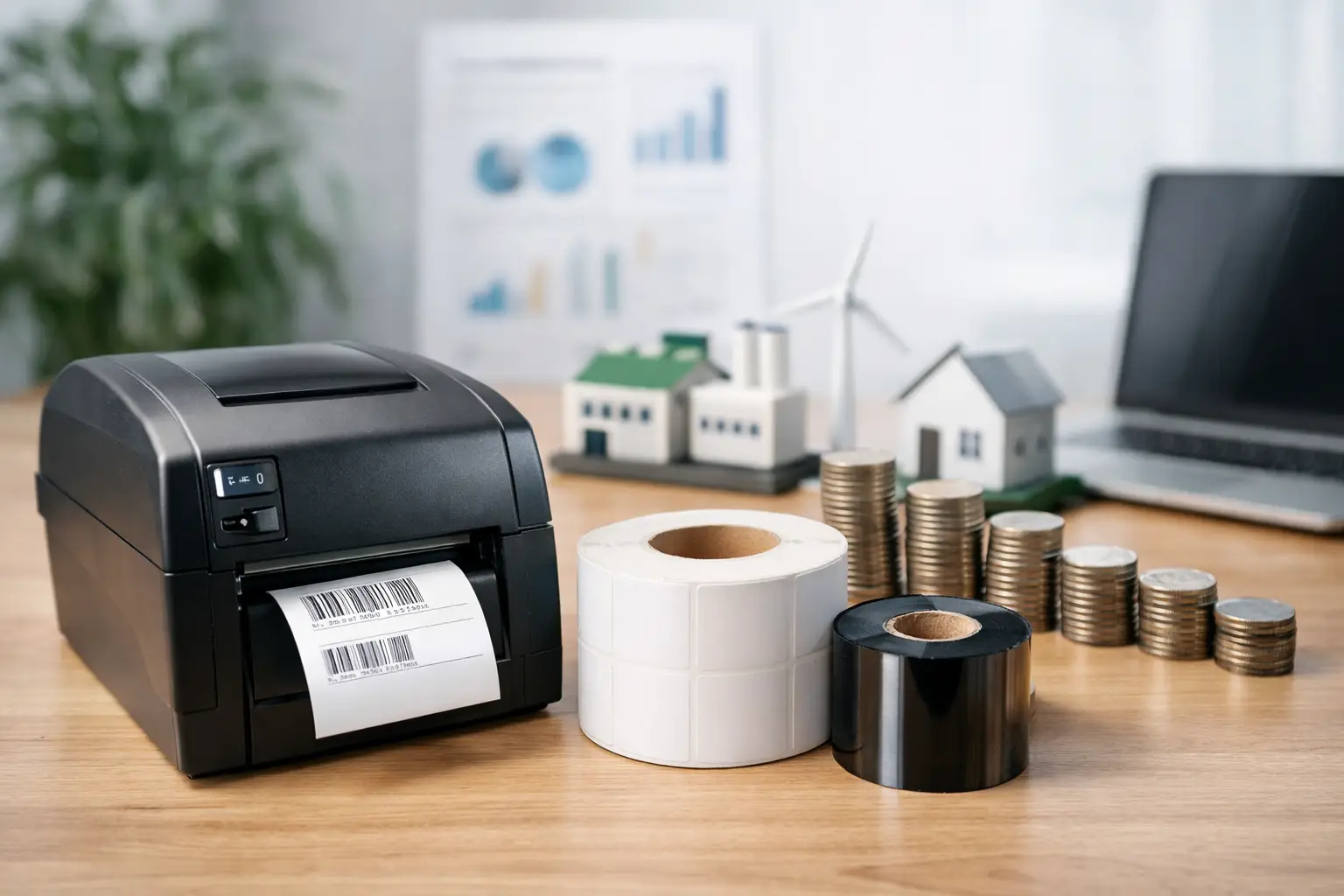
A label printer that stops working because software access has expired can halt shipping, receiving, production, or compliance labeling at exactly the wrong time. That is why labeling software licensing options deserve the same scrutiny as printer speed, label material, and barcode quality. The lowest initial software price is not always the lowest operating cost, particularly when recurring subscriptions, support contracts, and printer compatibility are part of the decision.
For businesses that print inventory labels, shipping labels, product identification, asset tags, or regulated labels, the right license should support dependable daily use without creating unnecessary administrative work. The practical question is not simply, “What does the software cost?” It is, “What will it cost to keep our labeling operation running for the next several years?”
Understanding labeling software licensing options
Most business label design software is sold under one of three general models: subscription licensing, perpetual licensing, or a license structured for multiple users or workstations. Each model can fit a legitimate need, but the differences affect budgeting, support access, and long-term control of your labeling process.
Subscription licensing
A subscription gives a business the right to use software for a defined period, commonly monthly or annually. This approach can reduce the up-front purchase price and may include updates or support while the subscription remains active. It can make sense for a short-term project, a seasonal operation, or a company that strongly prefers predictable annual software spending.
The trade-off is straightforward: when payment stops, access may stop. A recurring fee can also become expensive when several workstations need label design and printing capability. Some suppliers tie technical support to an active subscription or paid support plan, adding another recurring expense to account for.
Before choosing a subscription, determine whether production can continue if a renewal is delayed, a budget is frozen, or an employee responsible for software administration leaves the company. For a labeling station supporting daily fulfillment or manufacturing, that question matters.
Perpetual licensing
A perpetual license is a one-time software purchase that allows continued use of the version purchased. Businesses may choose to buy upgrades later, but they are not forced into a recurring subscription simply to keep their existing label printing operation active.
This model is often a strong fit for companies with stable label formats and established workflows. If your warehouse uses the same carton labels, shelf labels, serialized product labels, or shipping formats year after year, a perpetual license provides cost certainty. It also reduces the risk of a billing issue interrupting routine label production.
A perpetual license does not mean software will never need attention. Operating system changes, new printer models, evolving barcode requirements, and database changes can justify an upgrade over time. The difference is that upgrades can be evaluated on operational value rather than treated as a mandatory annual fee.
Multi-user and network requirements
The license type must match the way labels are created and printed. A single desktop user may only need one workstation license. A warehouse with multiple shipping stations, a production team, and a quality department may need several licensed users or a network arrangement.
Do not assume that one license can legally or practically support every computer in the building. Confirm how many people need to design labels, how many need to print them, whether database access is required, and whether remote locations are involved. The most efficient setup may centralize label design while giving approved workstations controlled printing access, but the best arrangement depends on your workflow and the software edition selected.
Compare total ownership cost, not just the license price
Software cost is only one part of a labeling system. A sound comparison considers the expense of keeping labels accurate and printers productive over the life of the system.
Start with recurring fees. Subscription software can look inexpensive during the first year, yet five years of payments across several users may exceed the cost of a perpetual alternative. Then review support terms. If technical assistance requires a support contract, include that contract in the total cost rather than treating it as an optional extra.
Printer compatibility is equally important. Rebuilding label templates after changing printer brands can consume time and introduce errors. Software with a long record of working with major printer manufacturers gives operations teams more flexibility when equipment is replaced, added, or standardized across sites.
Also consider the cost of downtime. A label format that prints incorrectly may cause rejected shipments, unreadable barcodes, relabeling labor, inventory discrepancies, or compliance problems. A cheaper program that leaves users without dependable technical help can become costly very quickly.
Why EasyLabel is different from subscription-first software
EasyLabel has been a leading label design software platform since 1982 and is used worldwide by many thousands of companies. It has earned trust in large enterprises and government agencies because it is built for practical barcode and identification labeling work, not casual office printing.
Its licensing approach is a major advantage for businesses that want to own their software rather than rent access indefinitely. EasyLabel does not require a subscription or a support contract for a customer to continue using the software they purchased. That makes budgeting more predictable and allows operations to keep printing labels without being dependent on an annual renewal cycle.
EasyLabel also has a long history of working effectively with major printer manufacturers. That matters when a business operates a mixed printer fleet or needs the freedom to select equipment based on application requirements. A label design platform should not force unnecessary hardware changes or make future printer decisions harder.
For many buyers, the practical advantage is support accountability. When EasyLabel is paired with a Tharo thermal printer, users have one USA-based support number for both the software and printer. Instead of being sent back and forth between a software company and a hardware company, your team can work with a specialist who understands the complete labeling system.
Match the license to the labeling workflow
A small business printing product labels from one office workstation may prioritize straightforward design tools and a one-time purchase. A distribution center may need database-connected printing, variable barcode data, and controlled access across multiple stations. A manufacturer may require label formats that can be changed quickly when part numbers, lot codes, or compliance statements change.
The right choice depends on how frequently label data changes and how costly an error would be. If operators print the same static label occasionally, basic capabilities may be enough. If your team generates thousands of variable-data labels from an ERP system, warehouse management system, spreadsheet, or database, software flexibility and technical support become much more valuable.
Ask whether the software can handle the barcode symbologies you use, connect to your source data, print the required label size, and work with your current or planned printers. Evaluate the actual label workflow, not just a feature checklist. A feature that is never used has little value; a missing database connection or printer driver can create a daily problem.
The hardware and supply decision affects licensing value
Labeling software performs best when it is part of a coordinated system. A capable software license cannot compensate for an unreliable printer, poor ribbon selection, or labels that do not match the application environment.
Tharo thermal printers can offer a cost-effective alternative to flagship models from other manufacturers while providing dependable industrial label printing. Replacement printheads are generally less expensive than many competing printheads, which can lower maintenance costs over time. Tharo H-Series and T-Series 4-inch 203 and 300 DPI printers carry a two-year or two-million printed-inch warranty. Six-inch-wide and 600 DPI models carry a one-year or one-million printed-inch warranty.
The label and ribbon selection matters just as much. Direct thermal materials may be appropriate for short-life shipping labels, while thermal transfer labels and ribbons are often the better choice for durable product identification, outdoor exposure, chemicals, abrasion, or long-term inventory tracking. Selecting compatible software, printer, label stock, and ribbon from one knowledgeable source reduces guesswork before production begins.
Buy the license with a support plan for the operation
The Label Guy helps businesses assemble complete labeling systems rather than treating software as an isolated purchase. That means evaluating EasyLabel, Tharo printers, label materials, thermal transfer ribbons, and the actual printing application together. Buyers can also benefit from free ground shipping within the 48 contiguous United States on orders over $100.
Before purchasing, document the labels you print, the data source behind them, the number of users and print stations, and the expected print volume. Bring sample labels or artwork into the conversation when possible. Those details make it far easier to select a license that fits the work, a printer that can handle the volume, and supplies that hold up in the field.
A licensing decision should leave your team more prepared to print, not more dependent on renewals, workarounds, or multiple support contacts. Choose the option that protects uptime and gives your operation room to grow on its own schedule.