
Best Labels for Freezer Storage That Stay Put
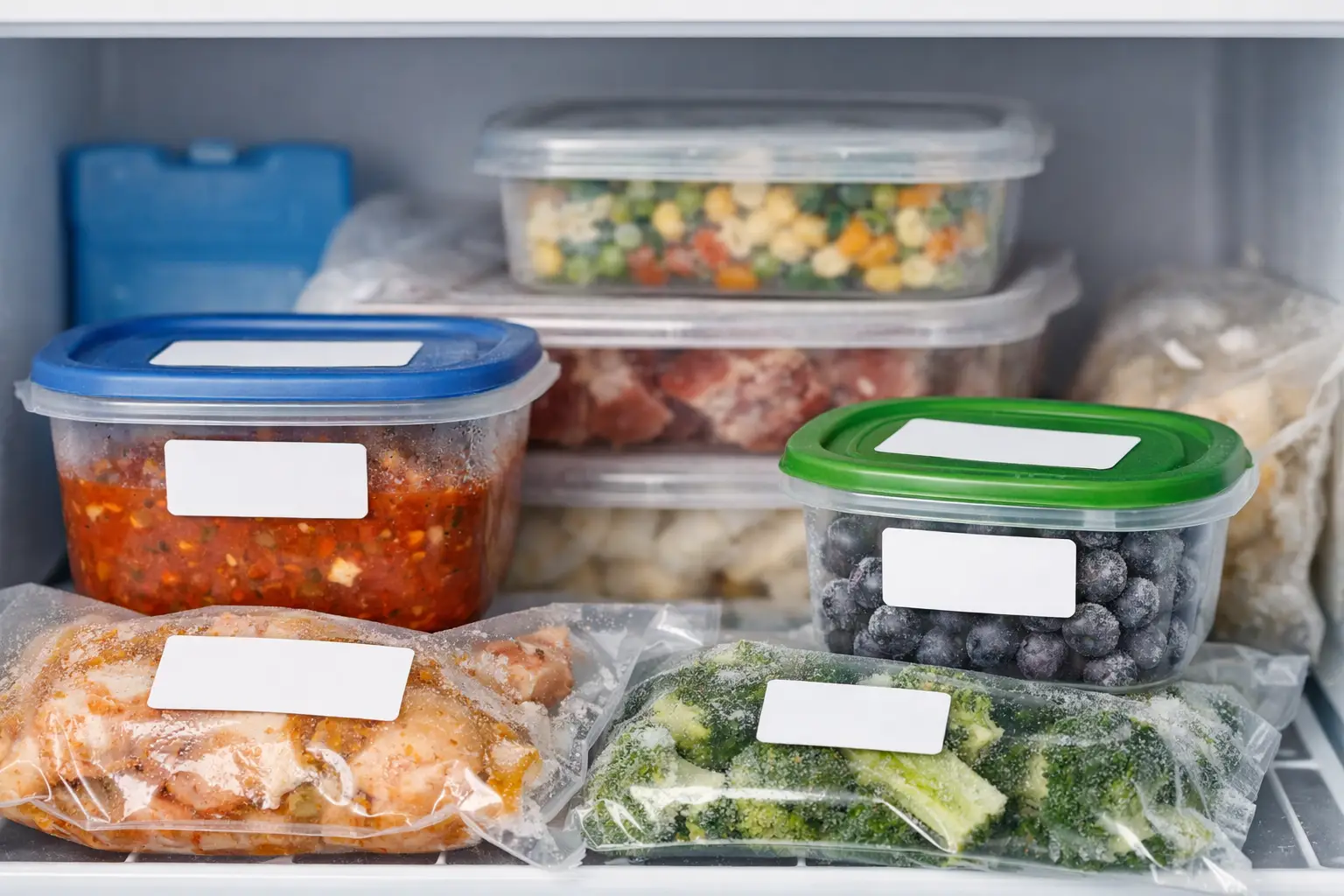
A label that looks fine at room temperature can fail before a freezer pallet reaches its first inventory count. Adhesive can lift, paper can soften from condensation, and handwritten information can become unreadable after repeated handling. The best labels for freezer storage are engineered as a system: label material, cold-temperature adhesive, print method, ribbon, and application process must all work together.
For food processors, cold-chain distributors, laboratories, warehouses, and manufacturers, freezer labeling is not a minor supply decision. A missing lot number, illegible date, or unscannable barcode can slow picking, compromise traceability, and create unnecessary compliance exposure. Selecting the right label starts with understanding where it will be applied and what conditions it must survive.
What Makes Freezer Labels Different?
Freezer environments create three separate challenges: low temperature, moisture, and abrasion. Many standard labels can tolerate cold after they have been applied at room temperature and given time to bond. That does not mean they can be applied directly to a frozen carton, plastic tote, bag, or container.
The most important specification is usually the adhesive’s application temperature, not simply its service temperature. Application temperature is the surface temperature at which the label can be applied and form a reliable bond. Service temperature describes the conditions the label can withstand after the adhesive has set. A label with a low-temperature service rating may still fail if it is applied to a frost-covered package below its minimum application temperature.
Condensation adds another complication. Products moved from a freezer into a staging area can collect moisture quickly. Labels must stay attached through those temperature changes while keeping text and barcode symbols legible. In high-contact operations, they also need to resist rubbing from gloves, cases, shelving, and conveyor handling.
Best Labels for Freezer Storage by Application
There is no single freezer label that is right for every operation. The best choice depends on the substrate, when labels are applied, expected handling, and whether the label carries critical barcode or compliance data.
Direct Thermal Labels for Short-Life Cold Storage
Direct thermal labels use heat-sensitive material, so they print without a ribbon. They are practical for short-duration applications such as order staging, temporary inventory identification, and products that remain in controlled cold storage for a limited time.
For freezer use, direct thermal labels should be selected with an adhesive formulated for cold conditions. Standard direct thermal stock may work for a brief period, but moisture, handling, and temperature cycling can shorten print life. Direct thermal imaging can also fade when exposed to heat, sunlight, or friction after products leave the freezer.
This option makes sense when speed and simplicity matter more than long-term durability. It is not the preferred choice for labels that must remain readable through extended storage, distribution, or repeated movement between frozen and ambient areas.
Thermal Transfer Labels for Durable Identification
Thermal transfer labels are generally the stronger choice for operational freezer labeling. A thermal transfer printer uses a ribbon to place a durable image onto the label material. With the correct ribbon and facestock, the result holds up better against moisture, smearing, abrasion, and changing temperatures.
Synthetic materials such as polypropylene and polyester are often used when durability is a priority. Polypropylene provides good moisture resistance and flexibility for many plastic containers, bags, and cartons. Polyester offers excellent durability and is commonly used for more demanding identification applications. The right material still depends on the surface and the label’s required life span.
For most warehouse, manufacturing, and cold-chain operations, a thermal transfer label paired with a freezer-grade adhesive offers the best balance of print quality, barcode performance, and durability. It also supports variable data such as lot codes, expiration dates, serial numbers, handling instructions, and GS1 barcode information.
Freezer-Grade Adhesive Labels for Cold Application
When labels must be applied to packages already in a freezer or to products at very low temperatures, use a label with a true freezer-grade or low-temperature adhesive. These adhesives are designed to bond to cold surfaces that standard permanent adhesives cannot handle reliably.
The exact surface matters. Corrugated cases, stretch-wrapped pallets, polyethylene bags, waxed cartons, plastic totes, and metal containers all present different bonding conditions. Rough corrugate may need an aggressive adhesive that can flow into surface texture. Plastic bags and flexible films can require a material and adhesive combination that remains flexible rather than lifting at edges.
Frost is the limiting factor in nearly every freezer-label application. Even a high-performance adhesive cannot form a dependable bond over loose frost, ice, oil, or heavy moisture. Whenever possible, label a clean, dry surface before the product is frozen. If cold application is unavoidable, verify the actual surface condition and application temperature through a controlled test.
Match the Ribbon to the Label Material
A durable label is only as dependable as its printed image. Thermal transfer ribbons are available in wax, wax-resin, and resin formulations, and the right match affects barcode scan quality and resistance to abrasion.
Wax ribbons are economical and work well on many paper labels, but they offer limited resistance to scratching and moisture. Wax-resin ribbons provide stronger durability and are a practical middle ground for coated paper and some synthetic materials. Resin ribbons deliver the highest resistance to abrasion, chemicals, and moisture when used with compatible synthetic label stock.
For freezer storage where barcodes will be scanned repeatedly, resin or wax-resin ribbons are often the better decision. The proper pairing should be confirmed with the label material, printer settings, and expected exposure. A barcode that scans at the printer but fails after cold storage does not protect inventory accuracy.
Barcode Readability Is a Freezer Requirement
Freezer labels frequently carry more data than a simple product name. They may include item numbers, production dates, use-by dates, lot codes, case counts, locations, and 1D or 2D barcodes. Every element must remain readable under real operating conditions.
Use sufficient contrast between the barcode and the label background, and avoid printing symbols too small for the scanners used on the floor. Printer darkness and speed should be calibrated for the selected ribbon and material. Excessive darkness can cause bars to spread, while too little energy can produce weak, broken images.
Test labels after they have been exposed to the actual process, not only immediately after printing. Freeze them, move them into a warmer area, allow condensation to form if that is normal, and scan them at the working distance used by employees. This small validation step can prevent widespread relabeling later.
Choosing the Best Labels for Freezer Storage
A practical selection process begins with a few operational questions. Determine whether labeling occurs before or after freezing, the lowest application temperature, the label’s required life, and the package surface. Then consider whether the label will encounter moisture, washdown, friction, chemicals, or repeated scans.
For short-term internal identification on dry cartons, a cold-rated direct thermal label may be enough. For traceable case labels, inventory labels, and barcode labels that need to survive distribution, thermal transfer synthetic labels with a freezer-grade adhesive are usually the more dependable investment. For frozen products labeled at subzero temperatures, specify the lowest application temperature needed rather than relying on a general “freezer safe” description.
Do not overlook label size and format. A label that is too small can force undersized barcode symbols or crowded text. A label that wraps around a small container may need a flexible facestock and rounded corners to reduce edge lift. For pallet labels, use a format large enough to scan from the required distance and place it where stretch wrap, fork handling, and condensation will not obscure the information.
Build a Reliable Freezer Labeling System
The strongest results come from validating the complete workflow. That means confirming label stock, adhesive, ribbon, printer, print settings, software template, barcode format, and application procedure together. It also means maintaining consistent supplies rather than changing materials without retesting.
EasyLabel software can support this process by creating repeatable label formats for product, lot, date, and barcode data while reducing manual entry at the print station. Paired with the correct thermal printer, ribbon, and freezer-grade label material, it gives operations teams a controlled way to produce identification that holds up where it matters.
Before committing to a large order, run samples on representative packages and expose them to the full cold-storage cycle. The right freezer label should still be attached, readable, and scannable when the product reaches the person who needs to identify it.